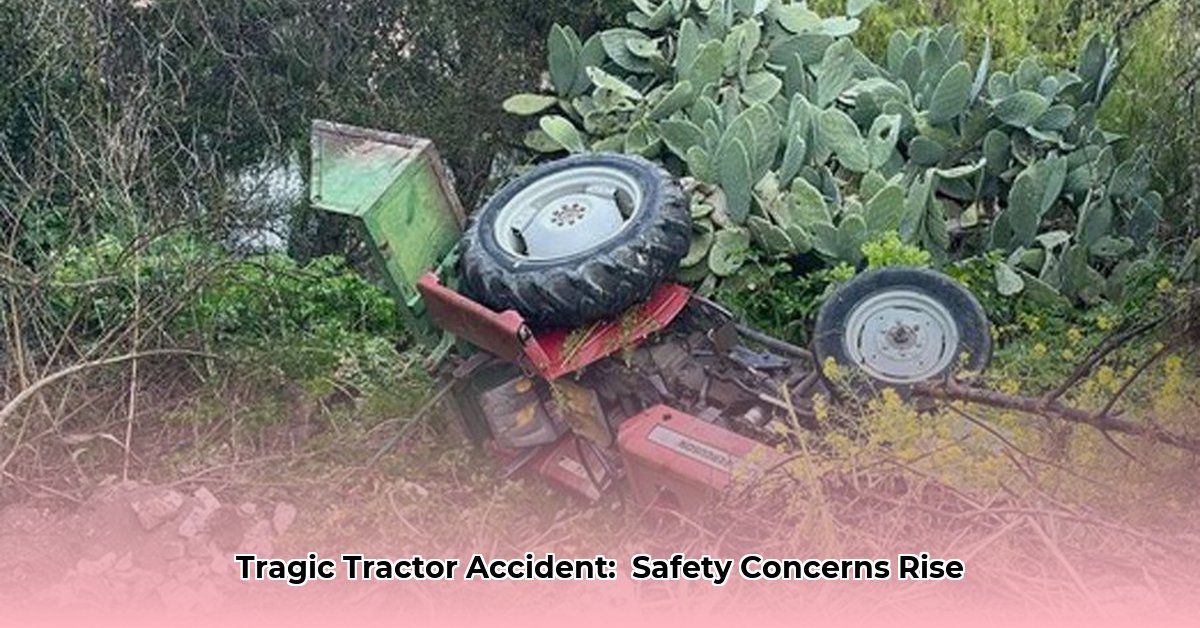
An 82-year-old farmer, Gerald Orville Fredricks, died in a tractor accident near Mankato, Minnesota, on [Date of Accident - needs to be added from source material]. The accident, believed to be caused by the tractor unexpectedly starting, highlights critical safety concerns for older farmers and the urgent need for improved safety measures in the agricultural sector. For more on Minnesota tractor safety, see this resource.
Man Killed in Tractor Accident: A Wake-Up Call for Farm Safety
The tragic death of Mr. Fredricks underscores a growing problem. The aging farming population, coupled with the prevalence of older tractors lacking modern safety features, creates a high-risk environment. This accident serves as a stark reminder of the need for comprehensive improvements to farm safety practices.
A Preventable Loss? The Dangers Facing Older Farmers
Mr. Fredricks' death highlights the increased vulnerability of older farmers. Age-related physical limitations, such as decreased reflexes and strength, significantly increase the risk associated with operating heavy machinery. Older tractors, frequently lacking crucial safety technologies like automatic shutoff systems and rollover protection structures (ROPS), exacerbate these dangers. How can we ensure the safety of our aging farming community?
Unfortunately, a lack of comprehensive national data on farm-related deaths involving tractors hinders effective prevention strategies. Accurate statistics are critical for identifying high-risk areas and implementing targeted interventions. Better data collection practices are urgently needed.
What Can We Do To Make Farms Safer? A Multi-pronged Approach
Preventing future tragedies requires a collaborative effort from farmers, manufacturers, and regulatory bodies. This includes:
Enhanced Safety Training: Regular, updated safety training for all farmers, particularly older individuals, is essential. This training must emphasize safe operating procedures, address age-related physical limitations, and highlight the importance of using modern safety features.
Modernizing Tractor Technology: Subsidies or tax incentives could encourage the adoption of tractors equipped with advanced safety features such as automatic shut-off systems, improved visibility enhancements, and ROPS. These features are critical for mitigating the risks associated with tractor operation.
Improved Data Collection and Analysis: A robust system for tracking and analyzing tractor accidents is crucial for identifying trends and implementing effective preventative measures. Thorough investigations of each incident should be conducted to determine the underlying causes.
Prioritizing Farmer Health and Well-being: Regular health checks for older farmers can help identify potential health issues that may increase accident risks. Addressing these issues proactively can help prevent accidents.
Strengthening Regulations and Enforcement: Regulatory bodies must review, update, and strictly enforce safety regulations, holding both farmers and manufacturers accountable for safety standards.
Key takeaway: A combination of enhanced training, technological upgrades, improved data analysis, proactive health monitoring, and rigorous regulatory enforcement can significantly improve farm safety.
Risk Assessment Matrix: Identifying and Mitigating Dangers
The following matrix summarizes key risks associated with tractor operation by older farmers.
| Factor | Likelihood of Occurrence | Severity of Consequences | Overall Risk Level | Mitigation Strategies |
|---|---|---|---|---|
| Older Tractor Models | High | High | High | Upgrade to newer models; regular maintenance and inspection. |
| Operator Age (80+) | High | High | High | Regular health check-ups; specialized training addressing age-related limitations. |
| Lack of Safety Procedures | Moderate | High | Moderate | Implementation and enforcement of strict safety protocols; comprehensive safety training. |
| Inadequate Data Collection | Low | Medium | Low | Improved reporting systems; dedicated research into accident causes and prevention. |
This matrix is not exhaustive, and risk levels can vary depending on individual circumstances.
How to Prevent Accidental Tractor Starts in Elderly Farmers
Mr. Fredricks' death, potentially resulting from an accidental tractor start, underscores the critical need for measures to prevent such incidents.
Understanding the Risks
The combination of aging farmers and older tractors without modern safety mechanisms creates a significant risk. The lack of features like ignition interlocks and automatic shutoff systems increases the likelihood of accidental starts, leading to potentially devastating consequences.
Safety Recommendations for Elderly Farmers
To mitigate risks, the following measures should be implemented:
Install Ignition Interlocks: These devices prevent the engine from starting unless the operator is securely seated and the safety mechanism engaged.
Perform Regular Maintenance: Regular checks of the ignition system and all control functions are crucial for preventing malfunctions.
Undergo Refresher Training: Targeted safety training for older farmers can address age-related physical challenges and emphasize the use of safety aids.
Establish Designated Parking Areas: Always park tractors on level ground with the parking brake engaged when not in use.
Enhance Visibility: Ensure clear surroundings when operating the tractor and avoid distractions.
Consider Equipment Upgrades: Upgrading to newer tractors with advanced safety features is highly advisable where feasible.
The Path Forward
Mr. Fredricks' death should serve as a catalyst for systemic change. Collaboration between farmers, manufacturers, and regulatory bodies is crucial for implementing the necessary safety upgrades and preventative measures to protect our farming communities. The goal is not only to prevent future tragedies but also to honor Mr. Fredricks' memory through tangible improvements to farm safety.